
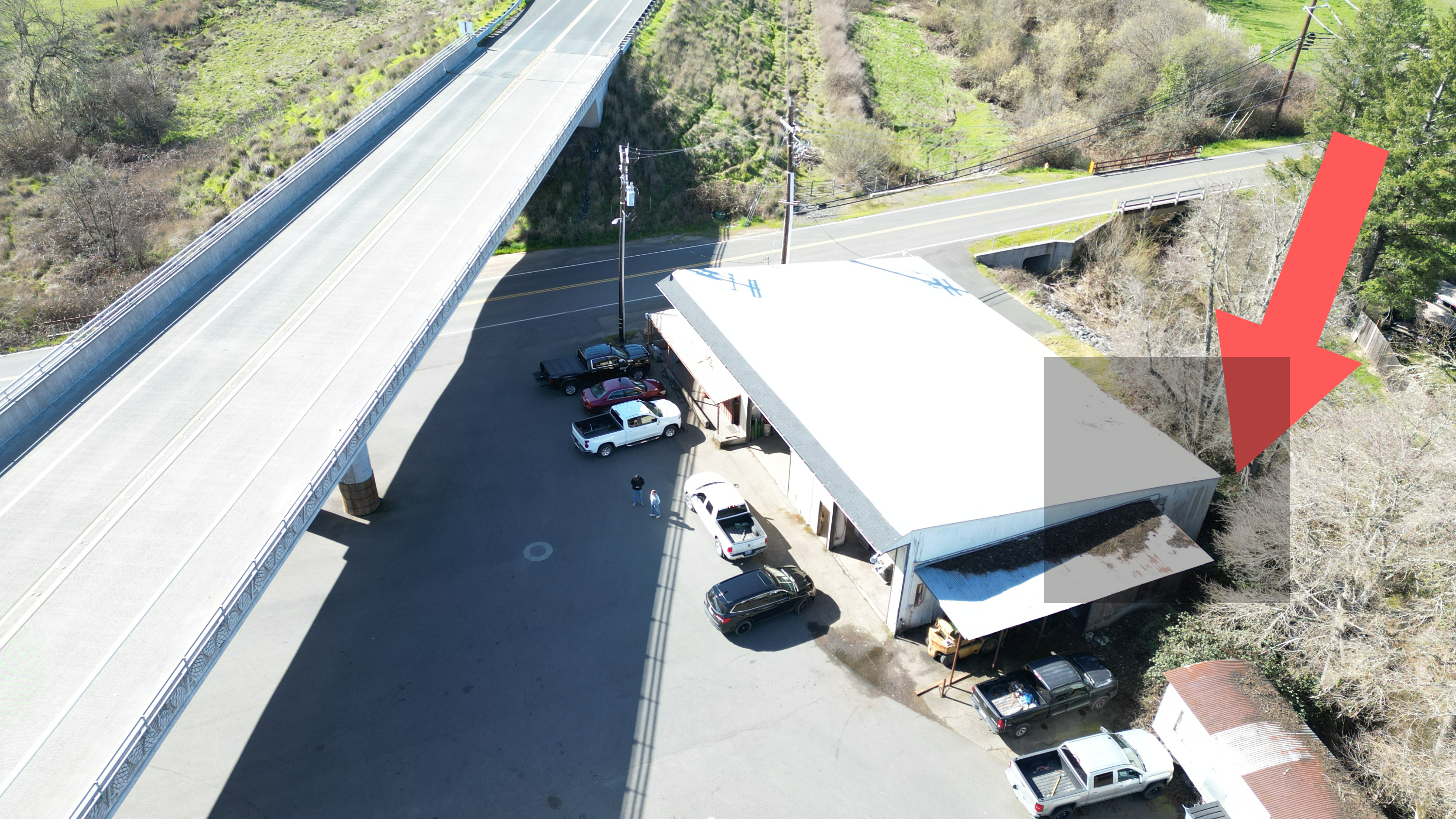
A pre-purchase commercial inspection reveals foundation damage in the operational garage. Signs of structural movement are concerning, particularly with a creek positioned behind the building, suggesting that part of the structure may be shifting toward the waterway. The necessary repairs to address this issue could be substantial in cost. Therefore, it's essential to be well-informed and make an educated decision regarding your purchase or lease. M-C Inspections can provide the insights you need to navigate this situation effectively.
Give us a call at 888-201-1726 or an email to matt@m-cinspections.com.
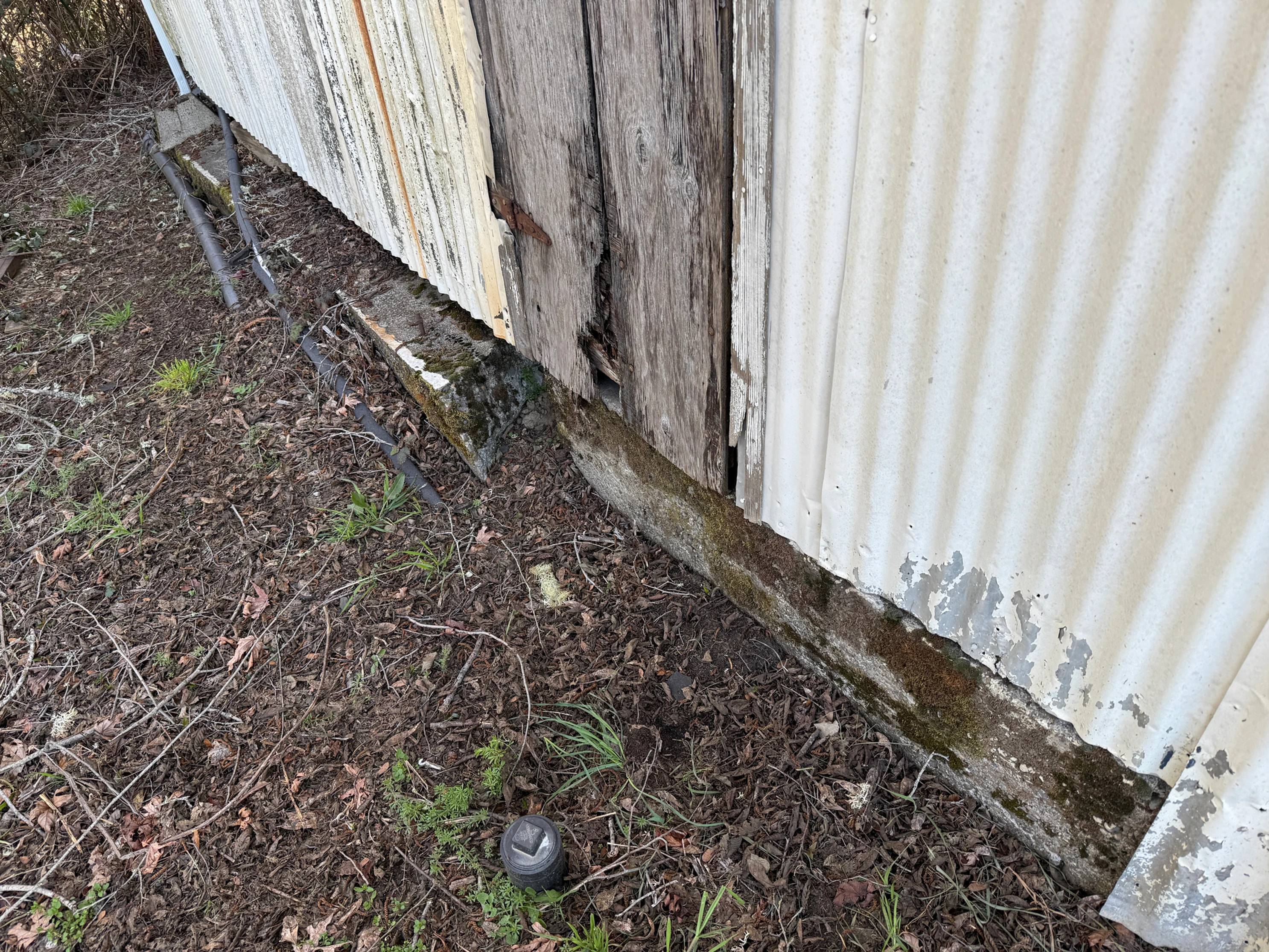
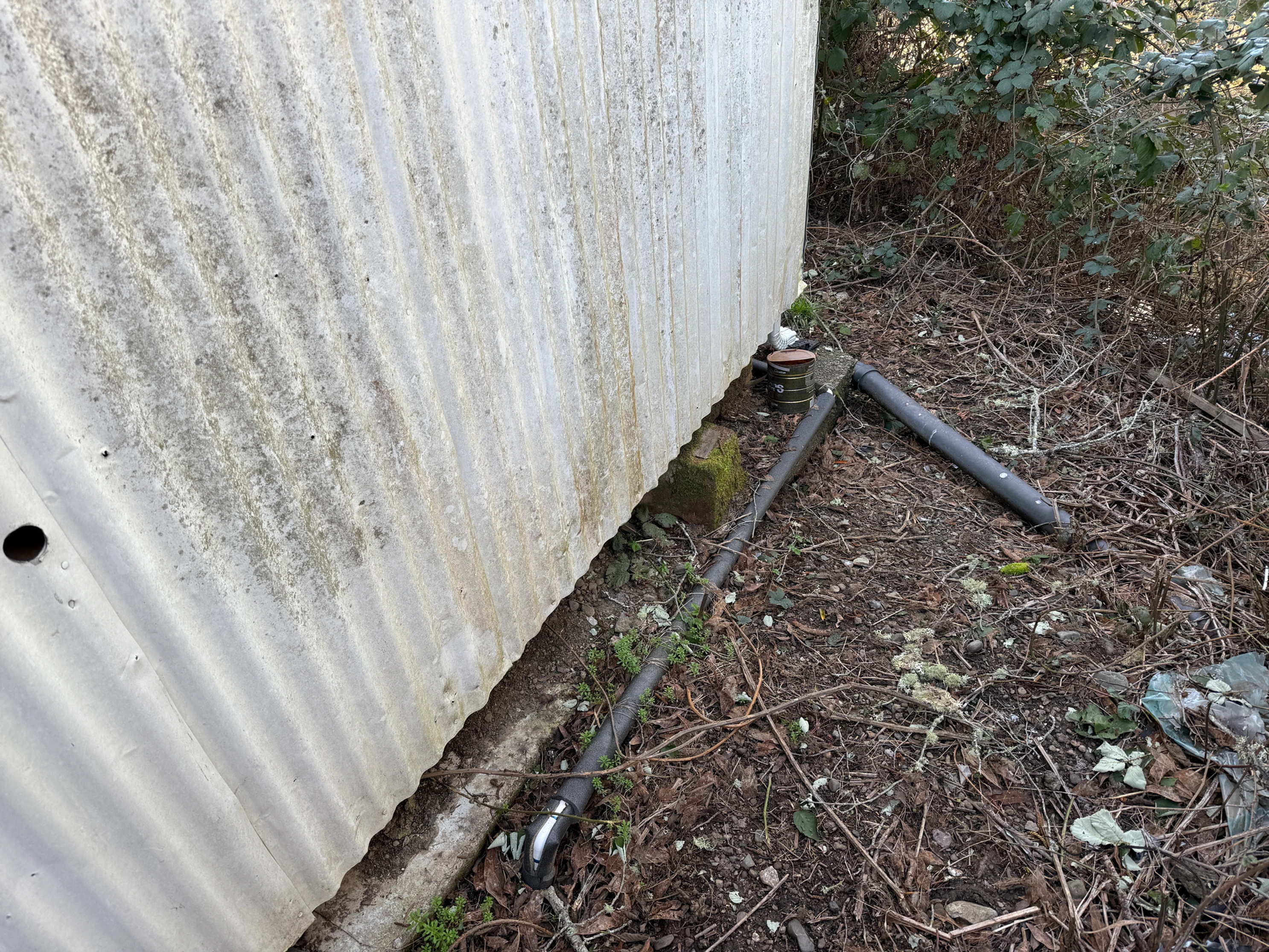
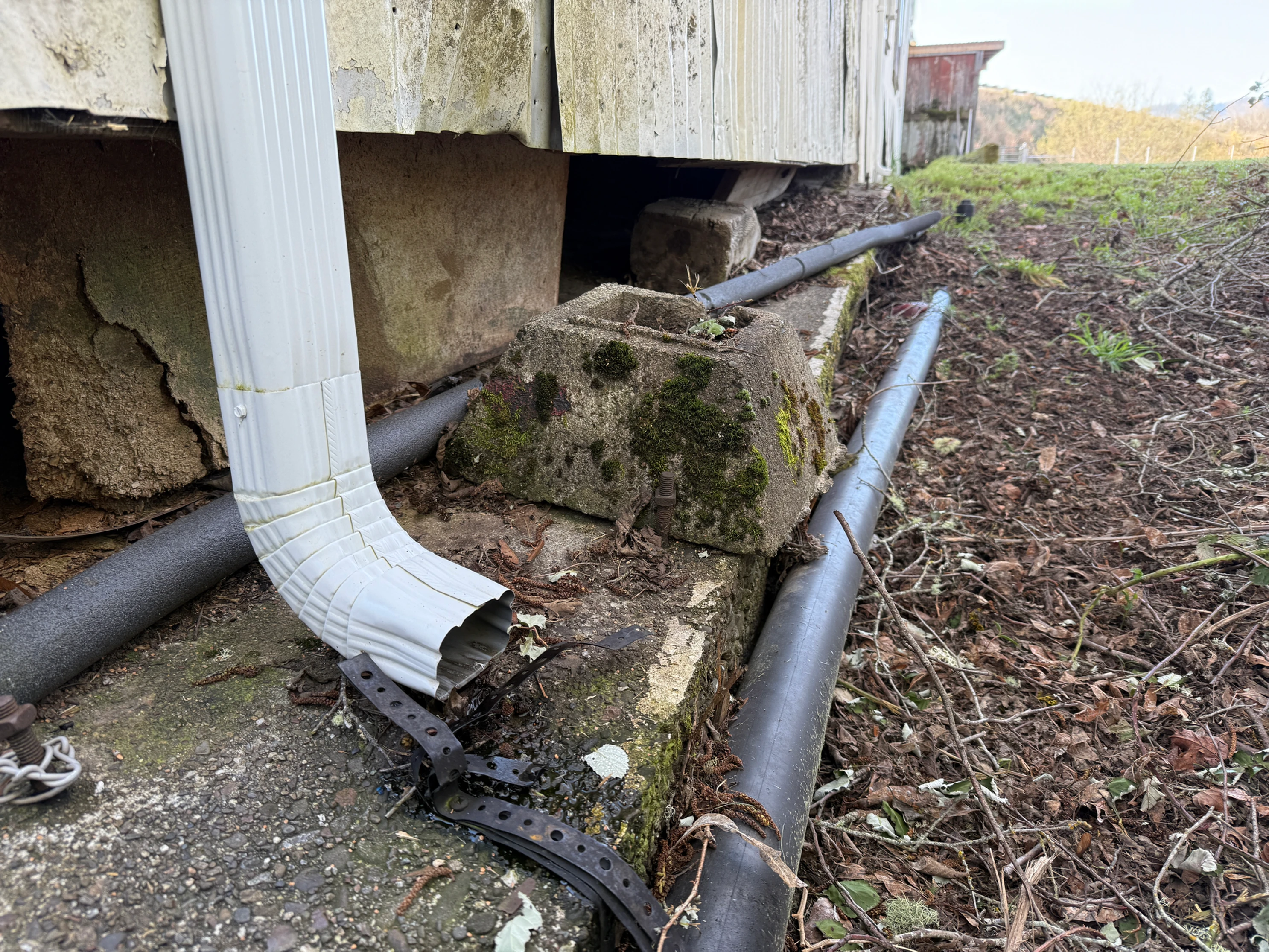
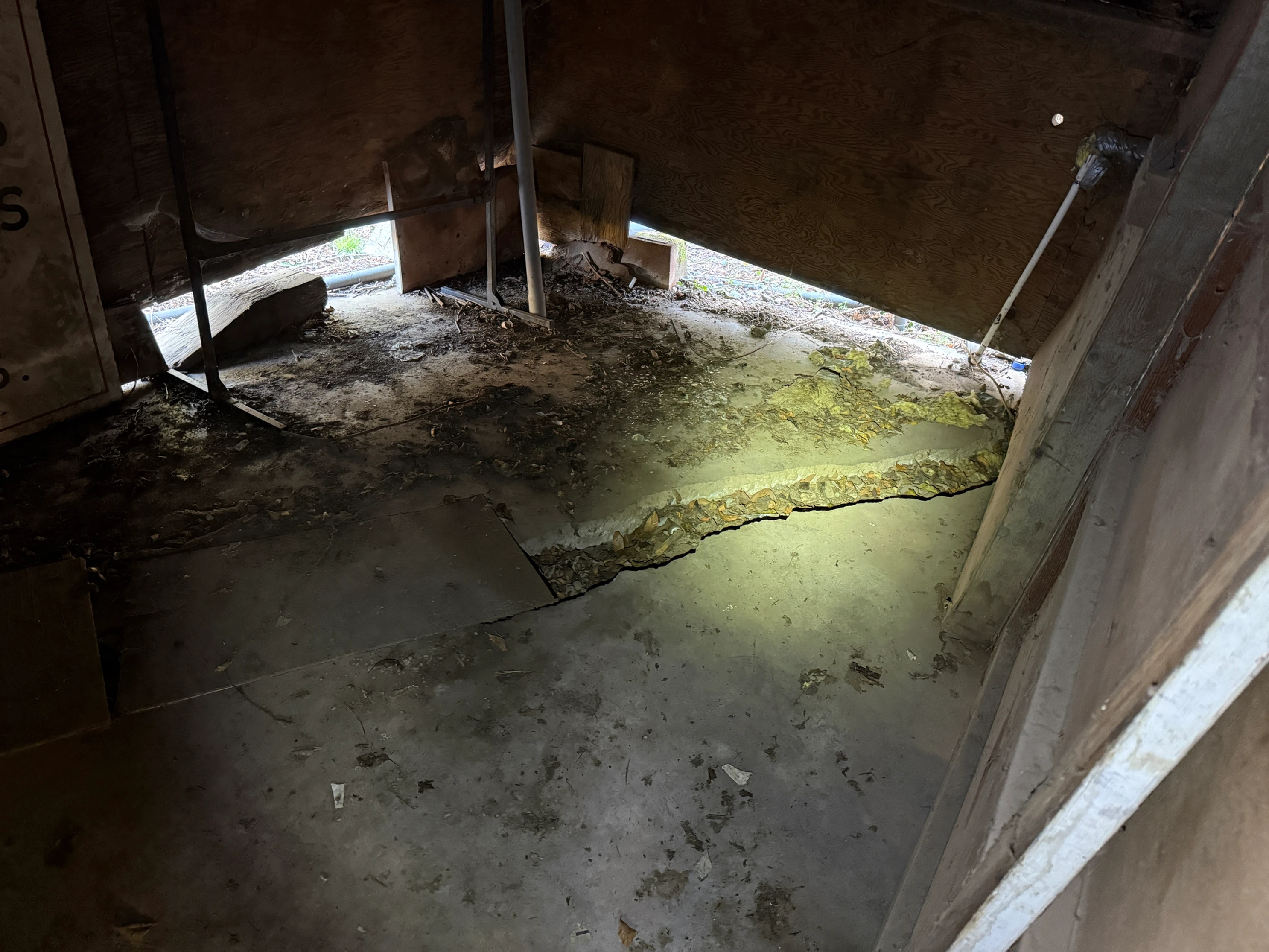
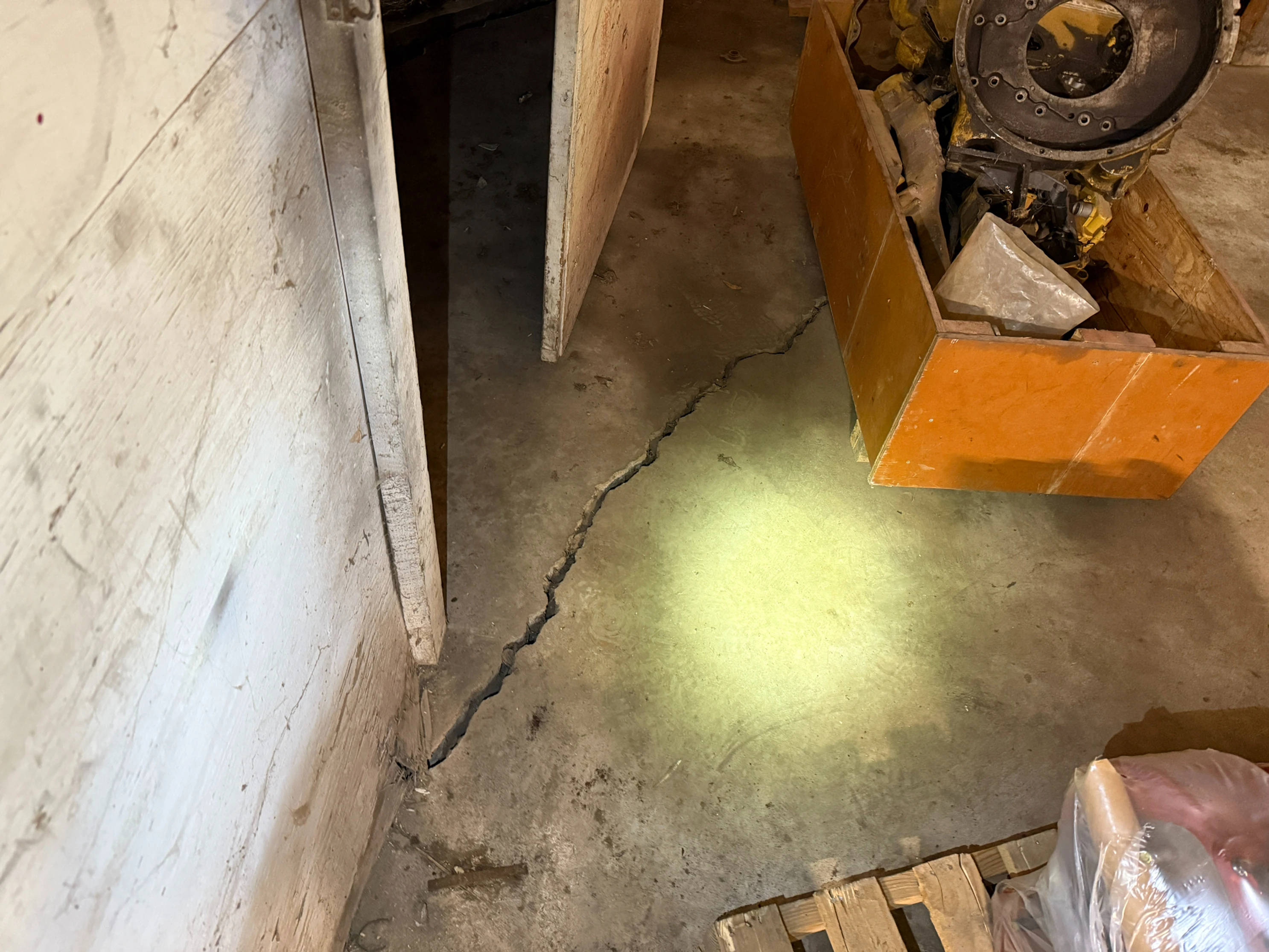
Damaged flooring
When buying or leasing a commercial building, it is essential to conduct a comprehensive inspection of both the building itself and the associated parking area. This process involves a meticulous examination of various elements that contribute to the overall functionality and safety of the property. The parking area, HVAC system, and roof are recognized as a commercial property's top three maintenance costs, and understanding their condition is crucial for any prospective buyer or lessee.
The parking area is often the first point of contact for clients, employees, and visitors, making it vital for aesthetic appeal and functionality. A well-maintained parking lot enhances the property's appearance and ensures the safety of those using it. Cracks, potholes, and inadequate drainage can lead to significant liabilities and may necessitate extensive repairs.
Additionally, the parking area layout should be evaluated to ensure it provides adequate space for vehicles, including provisions for accessibility.
Moving on to the HVAC (Heating, Ventilation, and Air Conditioning) system, this component is integral to maintaining a comfortable and productive environment within the commercial space. A thorough inspection should include checking the age of the system, its maintenance history, and efficiency. An outdated or poorly maintained HVAC system can lead to high energy costs and may require costly repairs or replacements. Furthermore, issues such as inadequate airflow, strange noises, or inconsistent temperatures can signal underlying problems that need immediate attention.
Finally, the roof of the commercial building is another critical area that warrants close inspection. The roof is subject to various environmental factors, including weather conditions, which can accelerate wear and tear. A thorough evaluation should include checking for signs of leaks, water damage, or deterioration of roofing materials. Roof repairs can be costly; neglecting this area can lead to more significant structural issues. It is advisable to assess the remaining lifespan of the roofing system and consider any necessary repairs or replacements in the overall investment plan.
In conclusion, overlooking any of these three areas—parking, HVAC, and roof—can result in substantial financial implications. If any of these components are found to be in disrepair, the costs associated with repairs or replacements can be significant, potentially impacting the overall value and usability of the commercial property. Therefore, engaging with qualified professionals, such as M-C inspections, to conduct thorough assessments and evaluations is a prudent step in acquiring or leasing a commercial building. This proactive approach can save considerable time, effort, and resources in the long run, ensuring the investment is sound and sustainable.
PHOTOS
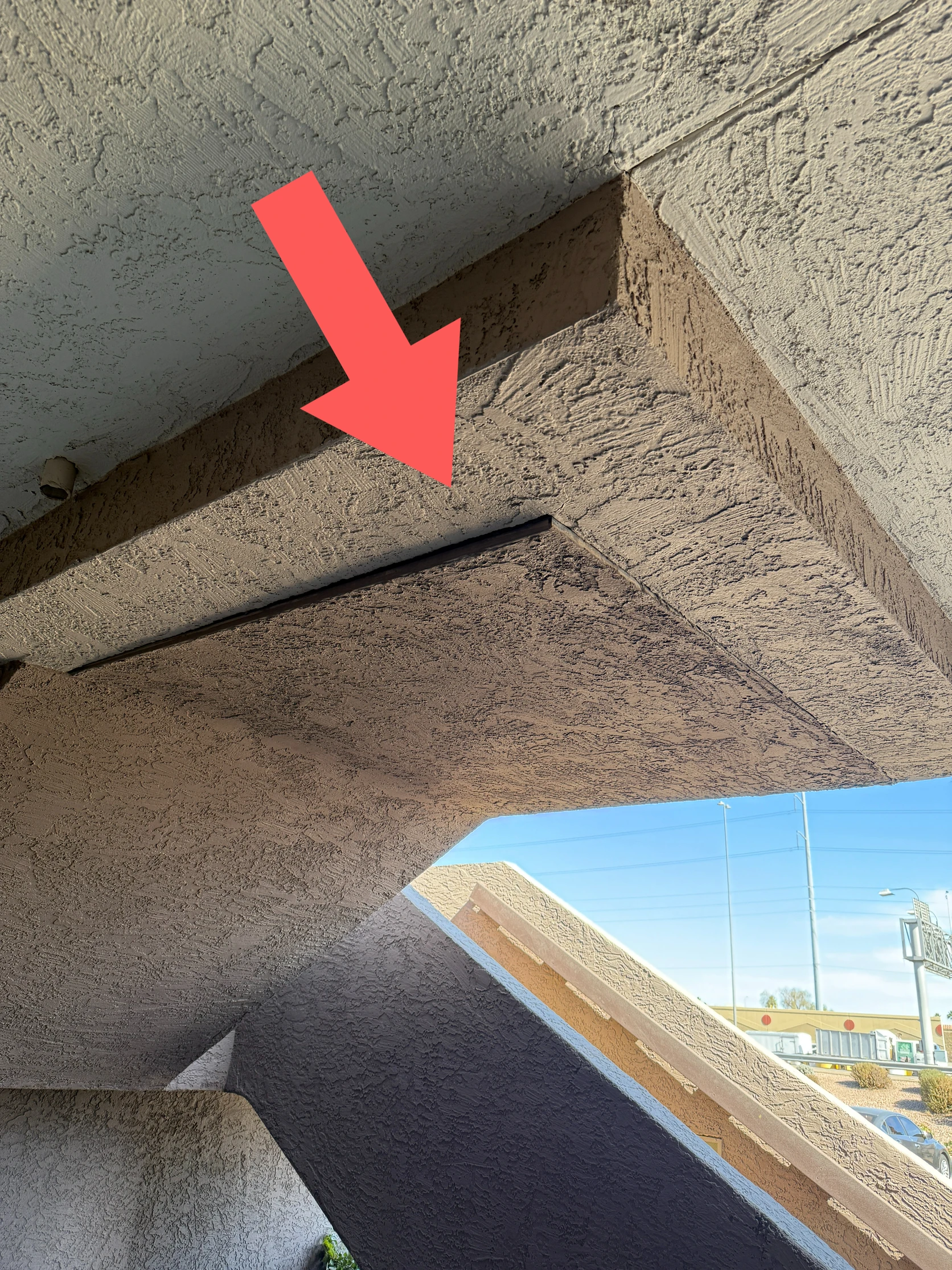
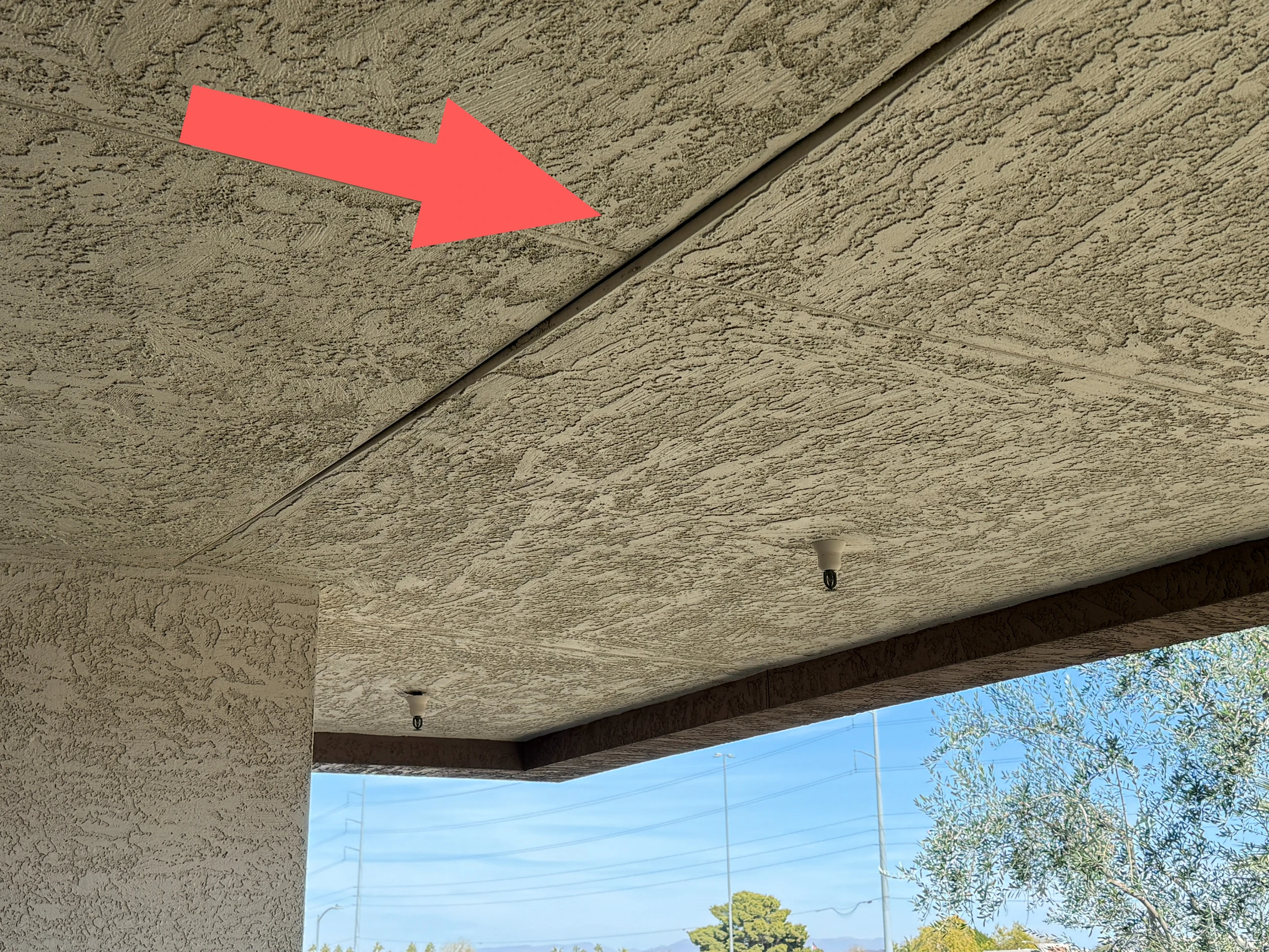
What is going on here? We can let you know to get someone to check it out further.
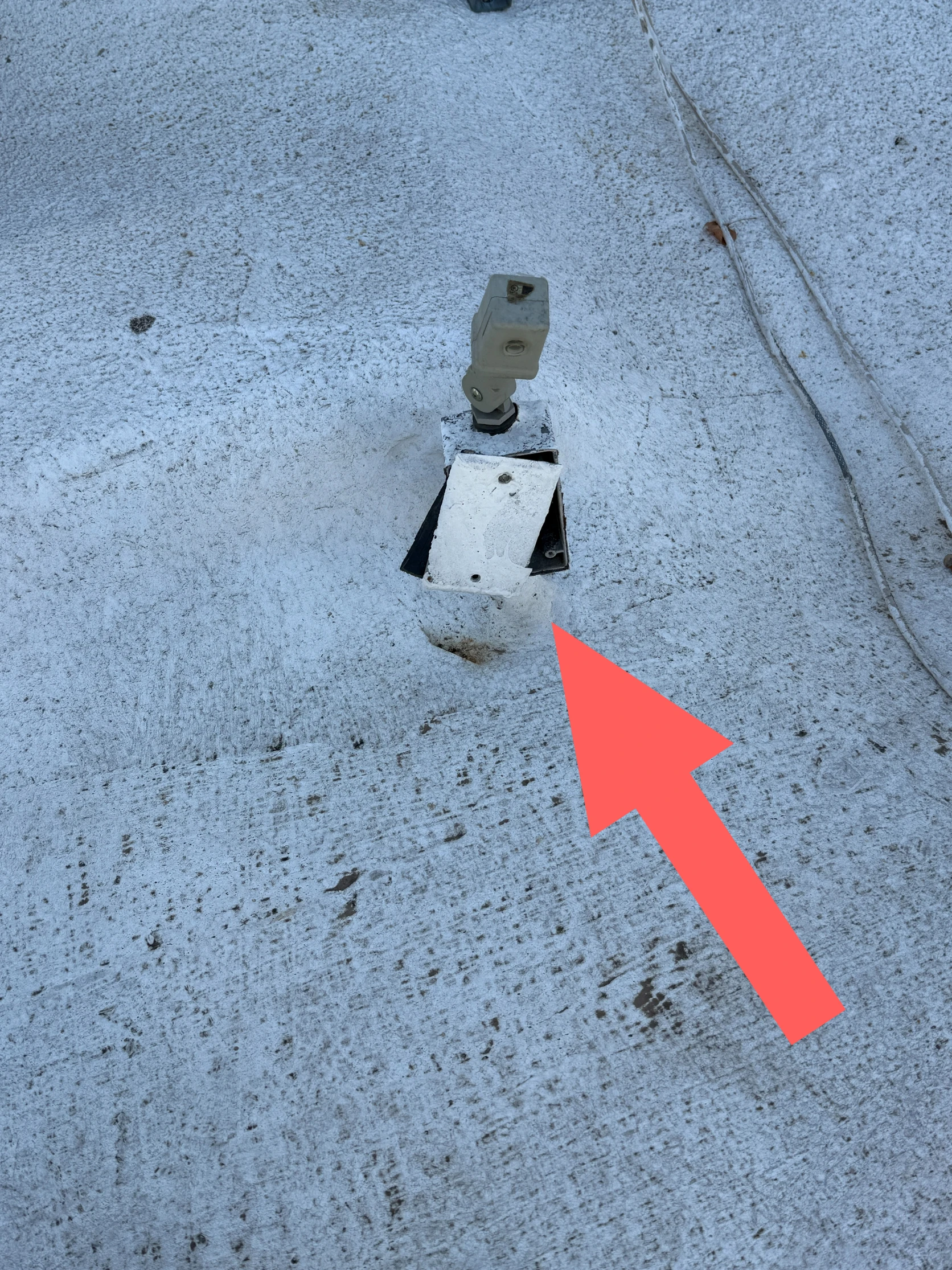
Open electrical outlet! Is this representative of the maintenance this property has been under? Something to be aware of.
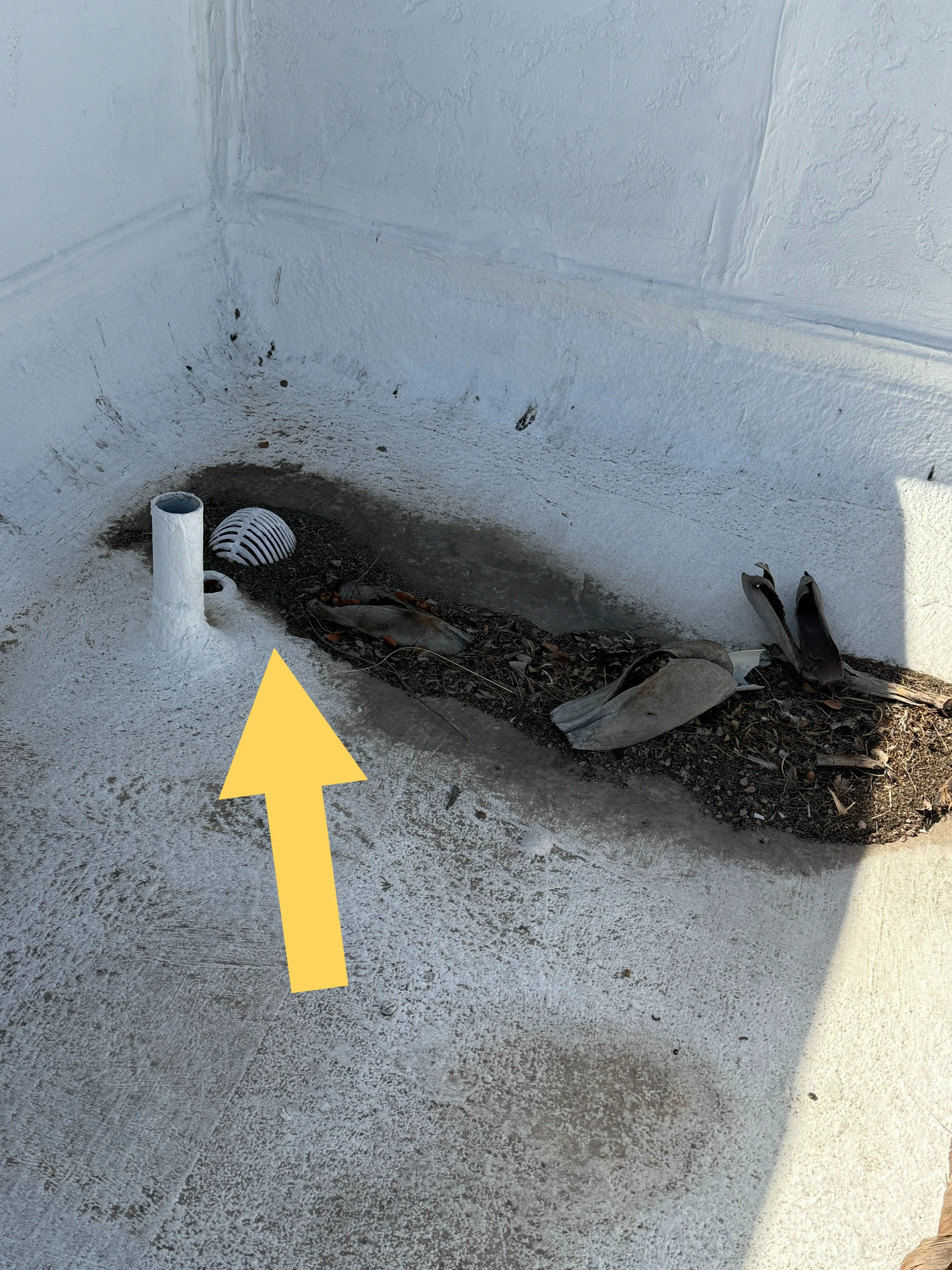
The drain is not only obstructed by the debris; it is also retaining water, which could result in moisture intrusion.
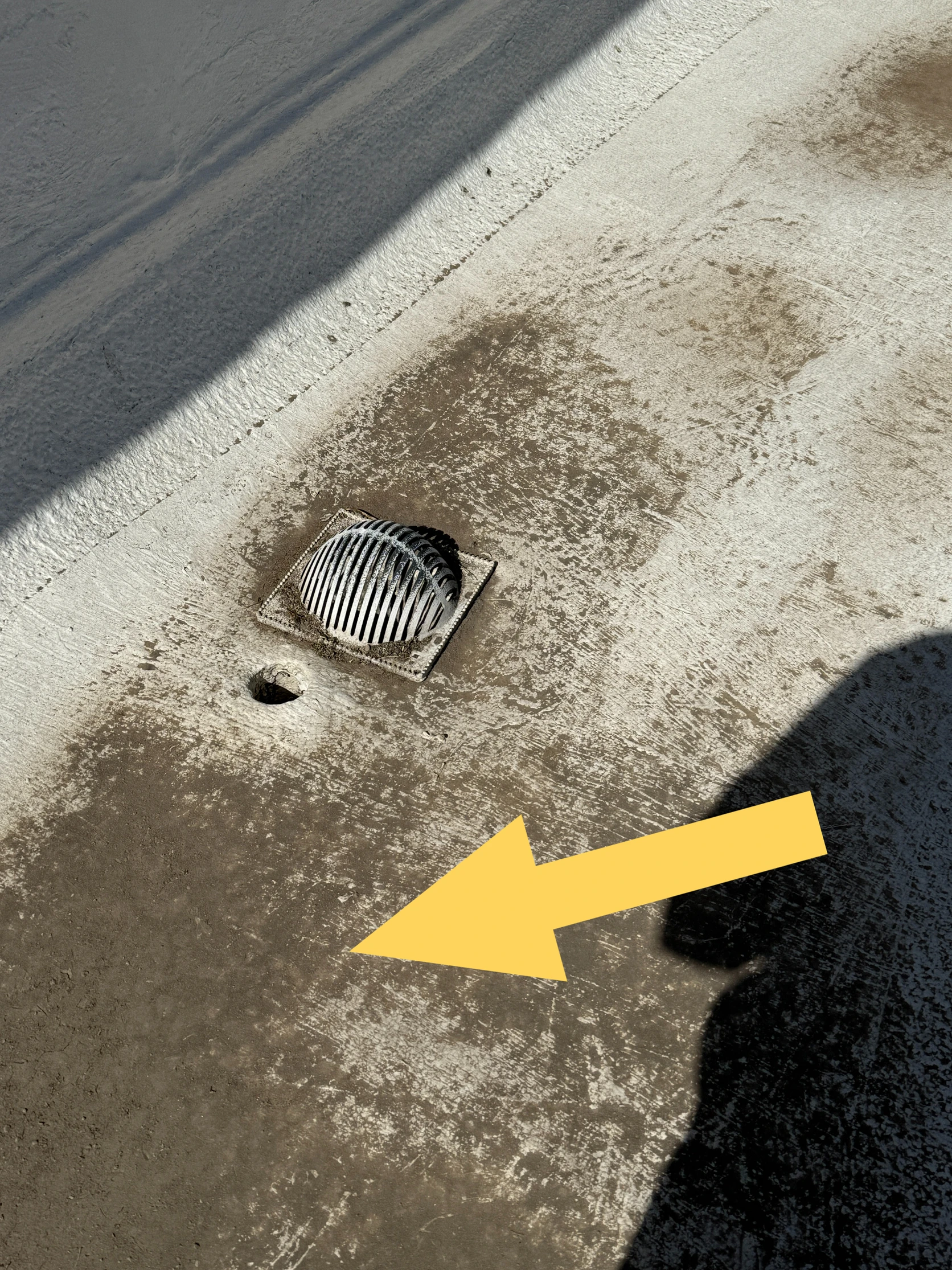
Are there signs of water pooling around your roof drains, indicating a lack of proper drainage? This can lead to water damage, mold, and eventually structure damage over time.
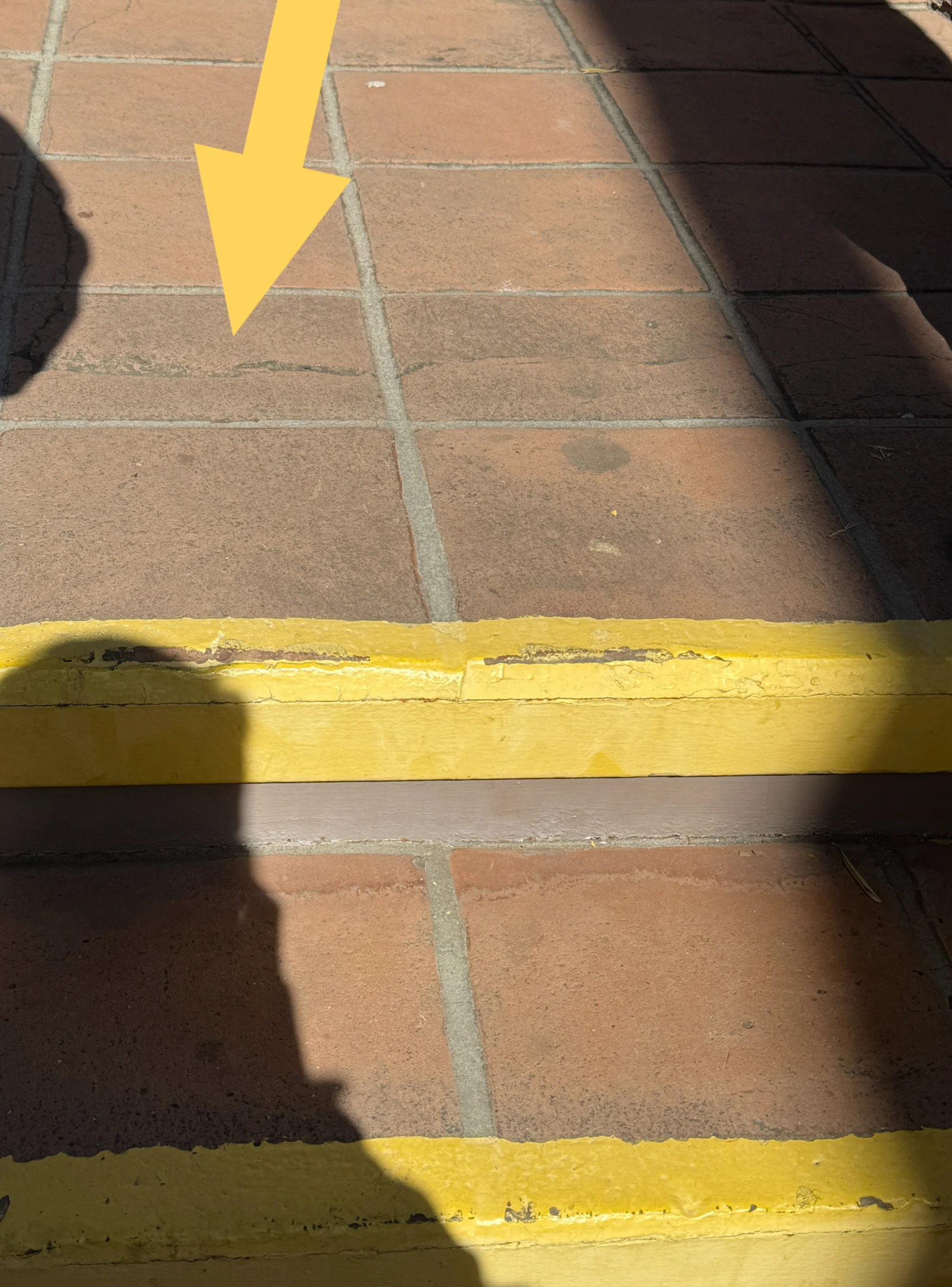
A cracked tile on a stairway might be a sign of underlying structural issues with the stairway.

Commercial Bathroom Inspections-Rusty Bathroom Partitions
Rusty Bathroom Partitions can arise due to several factors related to moisture and environmental conditions. Here are the common causes specific to these partitions:
-
High Humidity Levels:
Commercial bathrooms often experience elevated humidity due to regular use of showers, sinks, and toilets. Insufficient ventilation can lead to moisture accumulation in the air, which may result in rust formation on metal partition walls. - Condensation:
Condensation can occur when warm, humid air contacts cooler surfaces, such as metal partition walls. This moisture can contribute to rust, even if the partitions do not touch the ground. - Water Leaks:
Leaks from plumbing fixtures, including toilets, sinks, or urinals, can introduce water to the vicinity of the partitions. Continuous exposure to moisture from leaks can promote rust on metal components of the walls. - Corroded Plumbing:
If corroded pipes are behind the partition walls, any moisture seeping through can cause rust on the visible surfaces. This issue is particularly prevalent in older commercial buildings with outdated plumbing systems. - Material Composition:
The type of materials used for the partition walls can influence the likelihood of rust. Low-quality metals or those lacking protective coatings are more susceptible to rusting, especially in a humid environment. - Chemical Exposure:
Cleaning corrosive agents, such as bleach or harsh acids, can compromise protective finishes on metal partition surfaces, increasing the risk of rust development. - Poor Installation:
Inadequate installation of partitions that allows for gaps or spaces where moisture can accumulate may lead to rusting over time. Proper sealing of joints and edges is crucial to prevent water intrusion. - Inadequate Sealing:
If seams and joints around the partition walls are not properly sealed, moisture can penetrate and accumulate, leading to rust. Regular checks for sealant integrity are necessary for prevention. - Environmental Factors:
Commercial bathrooms in areas with high levels of airborne pollutants or corrosive environments can experience accelerated rust on metal surfaces due to chemical interactions.Prevention Measures
To mitigate the risk of Rusty Bathroom Partitions, consider the following strategies from M-C Inspections:
- Enhance Ventilation: Ensure bathrooms are equipped with effective exhaust fans and are well-ventilated to reduce humidity levels.
- Conduct Regular Maintenance: Regularly inspect partition walls and plumbing for leaks, making repairs promptly to prevent prolonged exposure to moisture.
- Use Quality Materials: Select rust-resistant materials for partitions, such as powder-coated steel or other corrosion-resistant options.
- Apply Protective Coatings: Consider applying protective coatings or sealants to metal partition surfaces to shield them from moisture further.
- Use Appropriate Cleaning Products: Opt for milder cleaning solutions that will not damage protective finishes; avoid harsh chemicals whenever possible.
- Ensure Proper Installation and Sealing: Confirm that partitions are installed correctly and that all joints and seams are properly sealed to prevent water penetration.
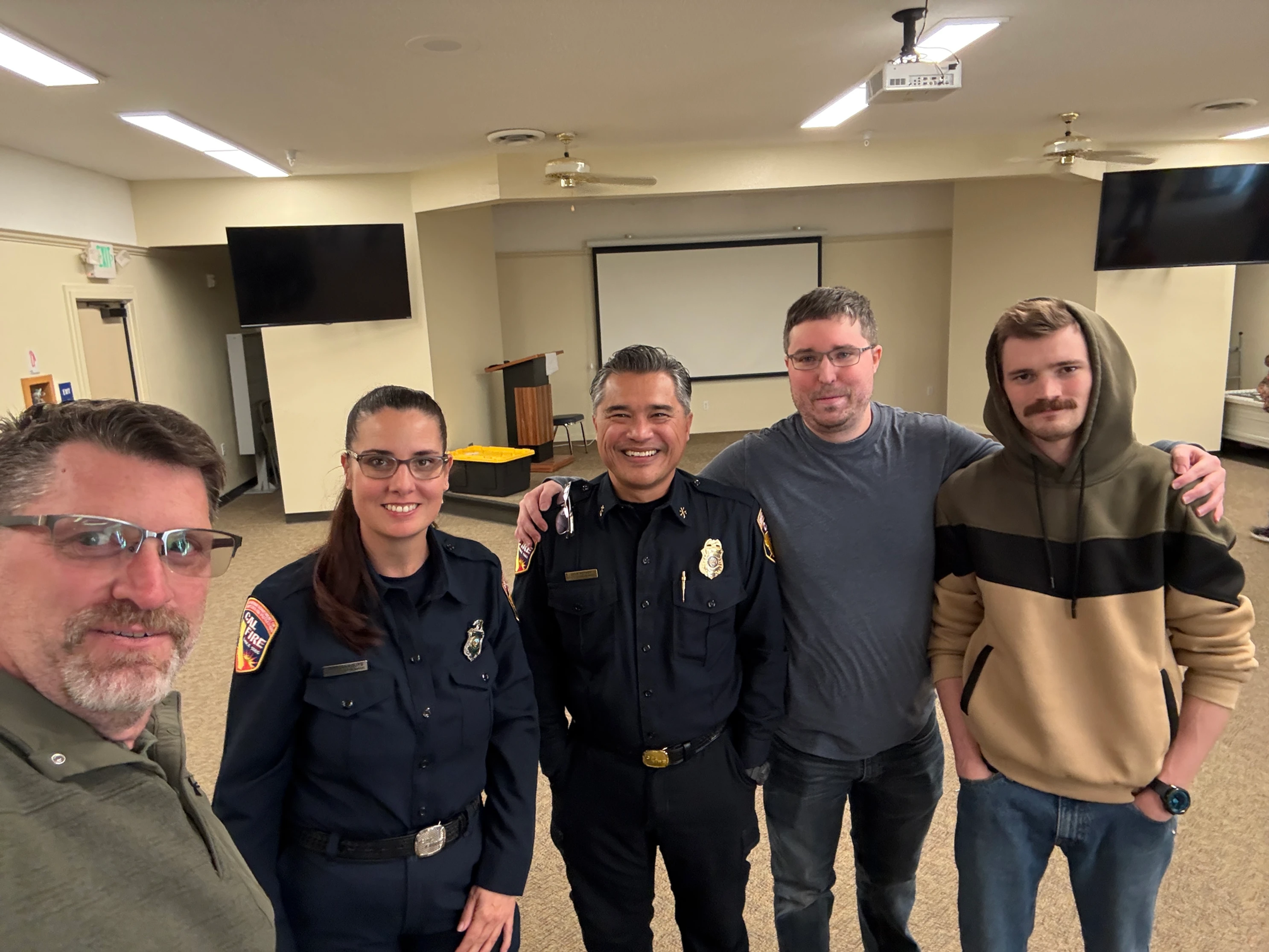
Unveiling the CalFire Training: How to Navigate Fire Wise Assessments for Lake County HOAs
Fire safety is a critical concern, particularly in areas like Lake County, California, that face a high risk of wildfires. Homeowners’ Associations (HOAs) play a key role in safeguarding their communities. To do this effectively, they must understand how to conduct thorough Fire Wise assessments. In this blog post, we will discuss the CalFire training program tailored for HOAs, its vital components, and how it empowers them to enhance safety in their neighborhoods.
Fire safety is a critical concern, particularly in areas like Lake County, California, that face a high risk of wildfires. Homeowners’ Associations (HOAs) play a key role in safeguarding their communities. To do this effectively, they must understand how to conduct thorough Fire Wise assessments. In this blog post, we will discuss the CalFire training program tailored for HOAs, its vital components, and how it empowers them to enhance safety in their neighborhoods.
The Importance of Fire Wise Assessments
Fire Wise assessments are essential for reducing wildfire risks in residential areas. These assessments enable communities to identify weak points and implement strategies to minimize fire damage. For instance, studies show that neighborhoods that have completed Fire Wise assessments experience a 25% decrease in fire-related property losses.
The consequences of wildfires can be devastating. For example, in recent years, catastrophic fires in California have displaced thousands, destroyed homes, and caused billions of dollars in damages. Investing in accurate fire assessments and adopting fire-safe practices isn’t just beneficial; it’s crucial for community survival.
In Lake County, residents face unique environmental challenges influenced by factors such as wind patterns and vegetation density. CalFire's training provides practical, localized solutions to help residents stay informed and protected.
Key Components of CalFire Training
CalFire training equips HOA members with the essential knowledge needed for conducting effective Fire Wise assessments. Here are some of the crucial components of the training:
Understanding Local Wildfire Risk
Participants learn about the local vegetation types and terrain that can contribute to fire behavior. This information is valuable for identifying high-risk areas in the community. For instance, certain combinations of grasslands and shrubs can ignite easily in hot, dry weather, making it critical for HOA members to recognize and address these risks effectively.
Identifying Vulnerable Areas
HOA members are trained to spot structural vulnerabilities within their neighborhoods, such as the use of flammable materials in homes or problematic landscaping choices. By accurately identifying these weaknesses, communities can develop targeted action plans, reducing their overall fire risk.Creating a Fire Safety Plan
Residents learn how to create a comprehensive fire safety plan that includes specific measures like:Identifying multiple evacuation routes.
Establishing communication strategies for emergency notifications.
Planning community drills to practice safety measures.
Engaging the Community
Fire safety is a team effort. Training encourages HOAs to actively involve residents through engaging workshops and educational events. Research indicates that communities that work together on fire prevention are 40% more likely to implement effective safety measures and have a stronger sense of preparedness.Practical Tips for Conducting Fire Wise Assessments
Equipped with insights from CalFire training, HOAs can perform effective Fire Wise assessments. Here are some practical tips for streamlining the process:Conduct Regular Inspections
Fire risk is constantly changing, driven by factors such as weather conditions and vegetation growth. By scheduling regular assessments, HOAs can proactively identify risks before they become serious problems. A quarterly inspection regimen can significantly enhance community safety.Involve Trained Professionals
Collaborating with local fire authorities or trained professionals can improve the accuracy and depth of assessments. Their expertise often reveals community-specific risks that volunteers may overlook. Research shows that engaging professionals in assessments can lead to a 30% improvement in identifying fire hazards.Collaborating with Local Authorities
Building partnerships with local fire authorities is vital for effective fire management. These collaborations provide HOAs with access to additional resources, guidance, and support, enhancing their fire safety measures.
Working with CalFire can offer HOAs further training opportunities, shared resources, and community initiatives that promote fire safety. This cooperative approach not only helps reduce fire risks but also fosters stronger community connections.
Empowering Lake County HOAs
In summary, CalFire training is an invaluable resource for Lake County HOAs focused on conducting Fire Wise assessments. With the right knowledge and tools, HOA members can make informed decisions to protect their communities from wildfires.
By engaging in ongoing training and implementing consistent assessment practices, HOAs can enhance safety and instill greater confidence among residents. A well-prepared community is a resilient one, better equipped to handle the challenges posed by wildfires.
Prioritizing fire safety and utilizing the resources available through CalFire can make a significant difference. Together, we can work towards creating a safer Lake County for everyone.

Aerial view showcasing a community against the backdrop of wild vegetation.


